Our Data, Our Health: The Future of Mobile Health Technology
Whose Data Is It Anyway?
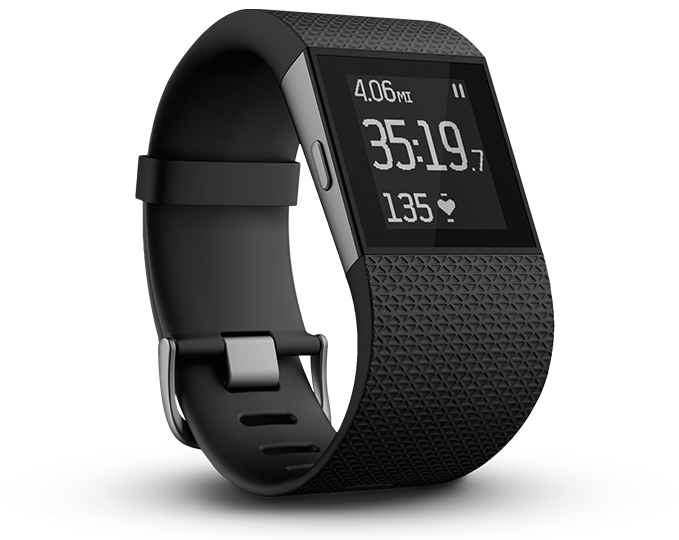
On March 26, New America hosted a panel on the ownership of mobile health data. This panel featured computer science and health professors from Harvard, Cornell and Georgetown. The main topic of discussion was the lack of industry standards regarding mobile health data.
Mobile health data is an extremely new and unique type of data. The amount of movement of the user engages in, the types of restaurants and dishes the user searches for, and the amount of sleep a user is getting are all examples of this health data. It provides a lot of lucrative information to the observer and is thus increasingly sought after. As such, there’s a growing market for third-party applications since Google and Apple opened up the mobile health market on the Play Store and App Store.
As with most forms of contemporary data, privacy concerns are on the forefront. We don’t know institutionally or legally how our data is being used. The panelists demonstrated that we don’t even know what we want our mobile health data protections to look like. We’re using mobile devices, not health devices; so the definition of health data is further muddled. From my own observations, it appears that the first step of protecting our data is to craft clear definitions of what constitutes as mobile health data.
Similarly, questions were raised at the panel to ask who will stand up for individuals and protect our data. Congress should be the one to ensure we’re protected but there was doubt on the capability of their basic technical knowledge and understanding of the subject. The panelists further argued it’s not Apple or Google’s job to represent our best interests. The big pharma conglomerates are also not likely to want to protect this data.
This leads to one of the big issues I had with the event: the statement that users should have access to their data but not necessarily have the ability to retract it from third-party services. I think medical information is one of those types of data that should definitely be protected in a strictly opt-in system. Agreeing to mandatory terms of use for a device should not be sufficient for sensitive data to be shared with advertisers and other third-parties.
Aside from the privacy concerns, the panelists agreed there should be standards to allow third-party developers to build applications that are not platform-exclusive. These panelists hypothesized on the large potential for health applications to solve problems plaguing individuals in this country. Under a regulated system, this data could be used to achieve a great deal of progress in the medical community.
Overall, the event was an extremely interesting and comprehensive look on the privacy concerns of mobile health data. All of the panelists seemed to agree, along with much of the audience, that there needs to be clarity and regulation regarding how this data is being utilized. However, one of the central weaknesses of the event was the lack of clear steps on what to do now that we possess this knowledge. Without a clear identification of the next steps of addressing the data problems that many of us already know exist, the panel failed to push the subject further.

No comments:
Post a Comment
Note: Only a member of this blog may post a comment.